
The Allure of Gambling
Understanding the allure of gambling often begins with the thrill and excitement it provides. Casinos are designed to create an intoxicating environment, filled with vibrant lights, engaging sounds, and the promise of instant rewards. This sensory stimulation is not just for decoration; it’s strategically employed to enhance players’ psychological experience, making them more prone to spend time and money onsecure online casino games of chance.
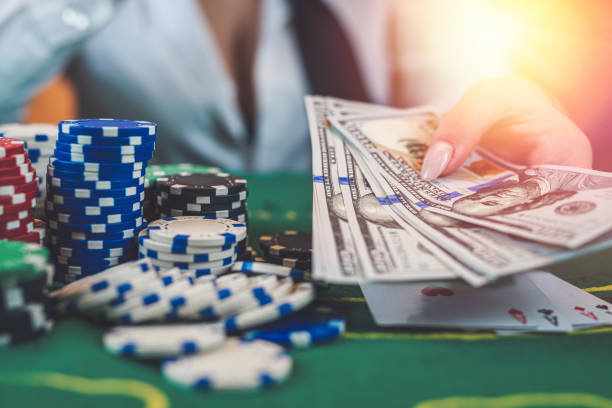
The anticipation of winning plays a significant role in the psychological appeal of gambling. Every spin of the slot machine or roll of the dice carries with it the potential for a big win, which can trigger the brain’s reward centers. This can lead to a euphoric feeling, making players want to experience it again and again, despite the odds often being against them.
The Role of Cognitive Biases
Cognitive biases heavily influence how players perceive their chances of winning. For instance, the ‘Gambler’s Fallacy’ is a common cognitive bias where individuals believe that past results affect future outcomes, even in random events like roulette or slot machines. This misconception can lead to players betting more money, thinking they are “due” for a win, thus enhancing their gambling experience.
Additionally, other biases, such as overconfidence and illusion of control, can further cloud judgment. Players often mistake skill for luck in games they perceive as having an element of strategy. This can lead to a persistent cycle of gambling as players justify their losses with the belief that they can eventually master the game, illustrating the deep psychological engagement in casino environments.
The Impact of Wins and Losses
The emotional rollercoaster of winning and losing in casinos significantly affects players’ psychology. A win can lead to a rush of adrenaline and happiness, reinforcing the behavior and encouraging more gambling. Conversely, losses can result in disappointment and frustration, compelling some players to chase their losses by continuing to gamble, which is how many get trapped in a cycle of addiction.
This cycle can become dangerous as it feeds into a player’s desire to recover their losses. The brain’s reward system often misaligns with the actual odds, leading individuals to downplay negative outcomes while overemphasizing the potential for huge jackpots. This distorted perception of reality can have long-term implications, impacting finances and personal relationships.
The Social Aspect of Gambling
Gambling is often a communal activity, with many players enjoying the experience with friends or strangers. The social aspect can amplify the excitement and enjoyment of the game, as shared experiences tend to enhance emotional responses. This collective environment can lead to a phenomenon called ‘social reinforcement,’ where the presence of others encourages more gambling behavior.
Moreover, the societal perception of gambling as a leisure activity can create a sense of normalcy around it. This positive reinforcement from peers can make individuals feel accepted and encourage them to participate more often, deepening their psychological investment in casino activities.
Prioritizing Safety and Security in Online Gambling
As online gambling continues to grow, prioritizing safety and security has become crucial. Players must ensure that they engage with trustworthy platforms that provide a secure online experience. This not only protects individuals from potential threats and attacks but also enhances their gaming experience by eliminating worries about privacy or fairness.
Reputable online casinos employ various security measures, including encryption technology and user authentication systems. Players should feel empowered to reach out to site owners for assistance if they encounter issues, thereby fostering a reliable gambling environment. With safeguards in place, players can focus on the enjoyment and excitement of the game while maintaining peace of mind.